

In recent years, cryptocurrencies have become a topic of public and financial debate. Despite banks traditionally occupying a central position in the global financial system, the growing popularity of cryptocurrencies has raised concerns among them. These concerns are not rooted in a desire for competition or a fear for their own existence in the literal sense, but rather in the profound changes that the technologies underlying cryptocurrencies bring to the financial infrastructure.
1. Decentralization and control
One of the key factors that makes banks wary is the decentralization of cryptocurrencies. In traditional banking, central organizations control the flow of funds, regulate them, and ensure transaction verification. However, many cryptocurrency projects, such as SushiSwap —a decentralized exchange also known as sushi swap or sushiswap exchange —operate without a single centralized operator.
This means that control over transactions and data is redistributed among network participants, reducing the influence and power of traditional financial institutions. The banking system, which relies on centralized control, faces a challenge from platforms that allow users to bypass intermediaries.
2. Technological innovation and speed of change
Cryptocurrencies are linked to blockchain technologies and smart contracts, which offer opportunities for automation and transparency of transactions. Platforms like the SushiSwap exchange demonstrate how complex financial services can be created without traditional banking structures.
Banks often perceive these technologies as a potential threat, as integrating such solutions requires significant resources and the restructuring of established infrastructure. The rapid development and scaling of new exchange and interaction models creates an additional layer of uncertainty, which fuels caution and mistrust.
3. Regulatory and legal issues
Cryptocurrencies and decentralized platforms, including SushiSwap, operate in an environment where lawmakers have yet to definitively define clear rules and standards. For banks, this poses risks of regulatory compliance and potential legal consequences.
The difficulty in identifying the owners and operators of blockchain-based projects complicates the process of control and oversight. This raises concerns among financial institutions, as they are accustomed to operating within structures with clear accountability and regulation.
4. Impact on customer trust
Banks have always built their reputation on customer trust and transaction security. The emergence of alternative platforms like sushiswap exchange, which allow users to conduct transactions directly without intermediaries, could change the perception of financial services.
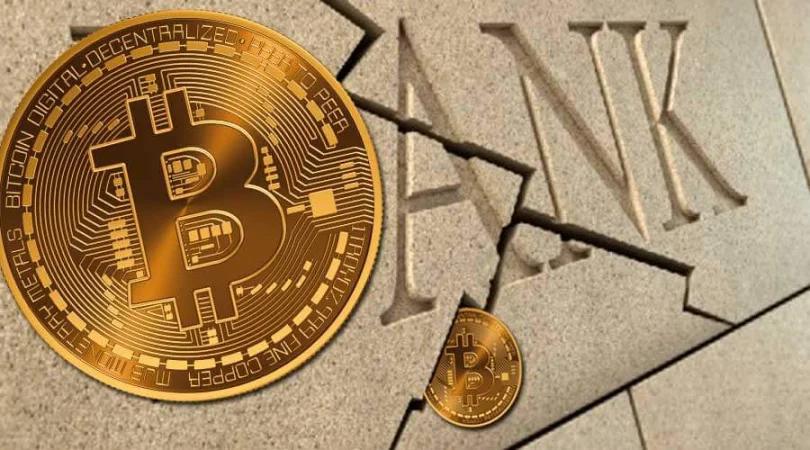
This is forcing banking institutions to rethink their customer engagement strategies and seek new ways to ensure the security and convenience previously provided by a centralized system.
5. New models of interaction
Platforms like SushiSwap illustrate the shift from the traditional financial model to a more open and inclusive one, where users are given greater opportunity to independently manage their assets and interact with other market participants.
For banks, this shift presents a challenge, as traditional approaches to service and management are changing, requiring adaptation and the search for new solutions.
Conclusion
Thus, banks' fear of cryptocurrencies and platforms like SushiSwap, sushi swap, and sushiswap exchange is driven by a combination of factors, including decentralization, technological innovation, regulatory uncertainty, impact on customer trust, and new interaction models.
While these changes present significant challenges, they also offer opportunities for further development of the financial system. Therefore, integrating and understanding these new technologies is becoming a critical task for all market participants.