
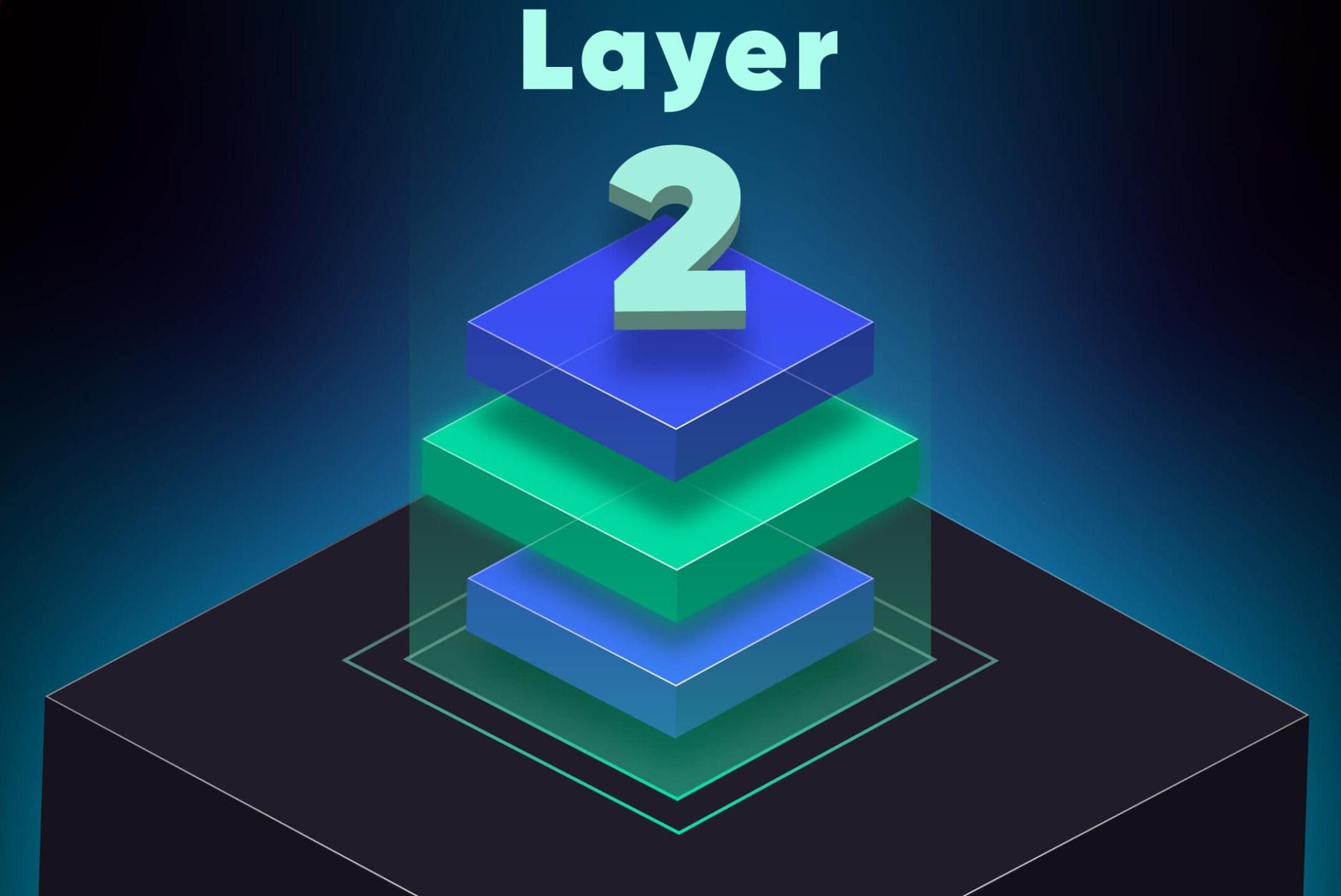
Ethereum is one of the most popular blockchain platforms, offering extensive capabilities for creating decentralized applications (dApps) and smart contracts. However, as Ethereum gains popularity, certain challenges related to scalability and performance arise. This is where Layer 2 solutions come in.
What are Layer 2 solutions?
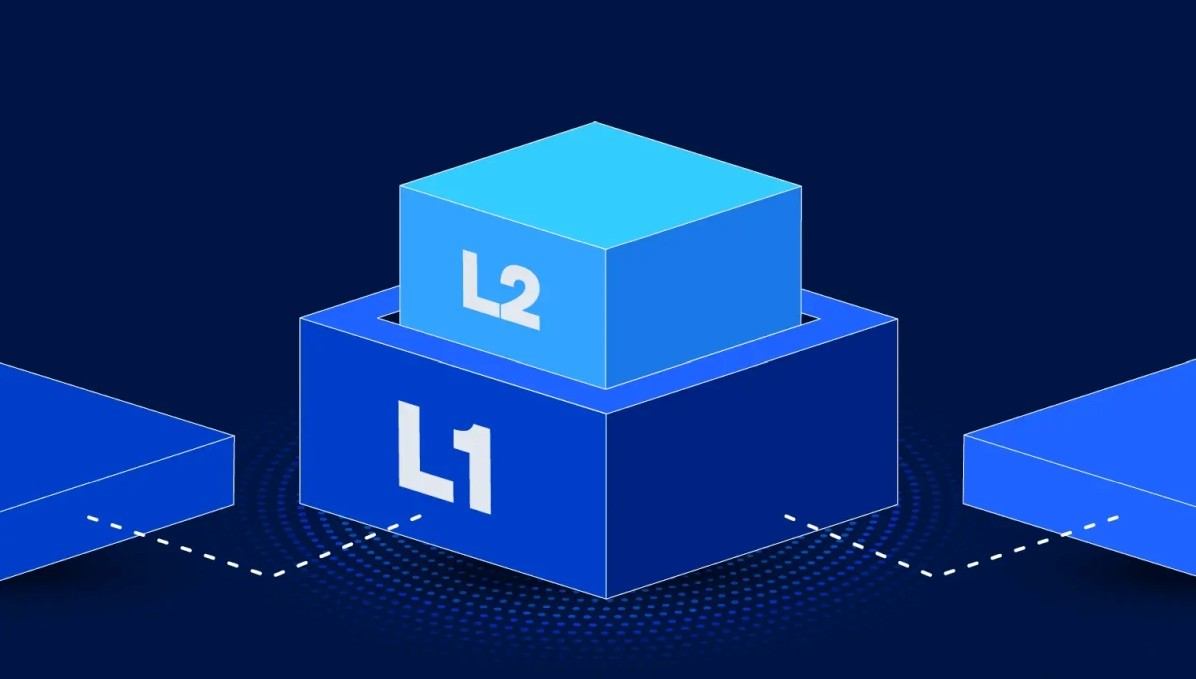
Layer 2 solutions comprise various technologies and protocols that operate on top of the main Ethereum blockchain (Layer 1). Their primary goal is to increase throughput and reduce load on the main network while maintaining a high level of security and decentralization.
Layer 2 solutions process transactions outside the main blockchain and then regularly send the results back to Layer 1. These approaches help significantly speed up application interaction and reduce transaction costs.
Why are Layer 2 solutions needed for Ethereum?
The emergence of Layer 2 technologies is due to several important factors:
- Scalability: The Ethereum core protocol is limited to a certain number of transactions per second. Layer 2 solutions allow for this number to be increased, reducing network congestion.
- Reduced Latency: Heavy network load often causes delays in transaction confirmations. Layer 2 reduces latency, ensuring faster transactions.
- Resource optimization: Moving some processing from Layer 1 to Layer 2 saves computing power and reduces the load on Ethereum nodes.
- Support for innovation: Layer 2 gives developers more freedom to create new features, including improved user interaction mechanisms and integration with various services.
Interacting with DeFi Platforms: The Sushiswap Example
The Sushiswap platform (sometimes spelled sushi swap ) is a popular decentralized exchange and a prominent representative of the DeFi sector built on Ethereum. Layer 2 solutions enable such services to operate efficiently with a large number of users.
Sushiswap exchange is actively implementing various Layer 2 technologies to improve the user experience. This allows for reduced transaction latency and network load, even during peak periods, while maintaining the security and transparency of all processes.
Thanks to Layer 2 integration, sushiswap is able to process multiple requests simultaneously, making the platform more accessible and convenient for interaction with users around the world.
Main types of Layer 2 solutions
There are several main approaches to implementing Layer 2 solutions for Ethereum, each with its own characteristics:
- State Channels: Allow two or more participants to conduct an infinite number of transactions between themselves off-chain, only sending the final results to the main network.
- Rollups: Technologies that aggregate multiple transactions into a single batch, which is then confirmed on the underlying blockchain. There are different types of rollups, such as Optimistic Rollups and ZK-Rollups.
- Sidechains: Separate blockchains that operate in parallel to the main Ethereum blockchain, but with their own consensus rules and a lower degree of security.
Prospects and development of Layer 2 solutions
As the number of users grows and the challenges facing Ethereum become more complex, Layer 2 solutions are becoming increasingly important in the ecosystem. Their development is stimulating the creation of new projects and services that offer improved functionality and ease of interaction.
An example is the integration of Layer 2 by platforms like sushiswap, where these technologies help provide a high-quality user experience while reducing the technical limitations of the main network.
In the future, we can expect to see increasingly efficient, interoperable, and easy-to-use Layer 2 solutions emerge, supporting the evolution of Ethereum as a platform for decentralized applications and services.
Conclusion
Layer 2 solutions play a key role in Ethereum scaling, enabling the platform to handle high loads while remaining productive and reliable. They provide increased speed and reduced latency, which is critical for modern blockchain applications, including DeFi services like sushiswap .
Thus, the development and implementation of Layer 2 technologies is an important step towards improving the entire Ethereum ecosystem and expanding opportunities for users and developers.