
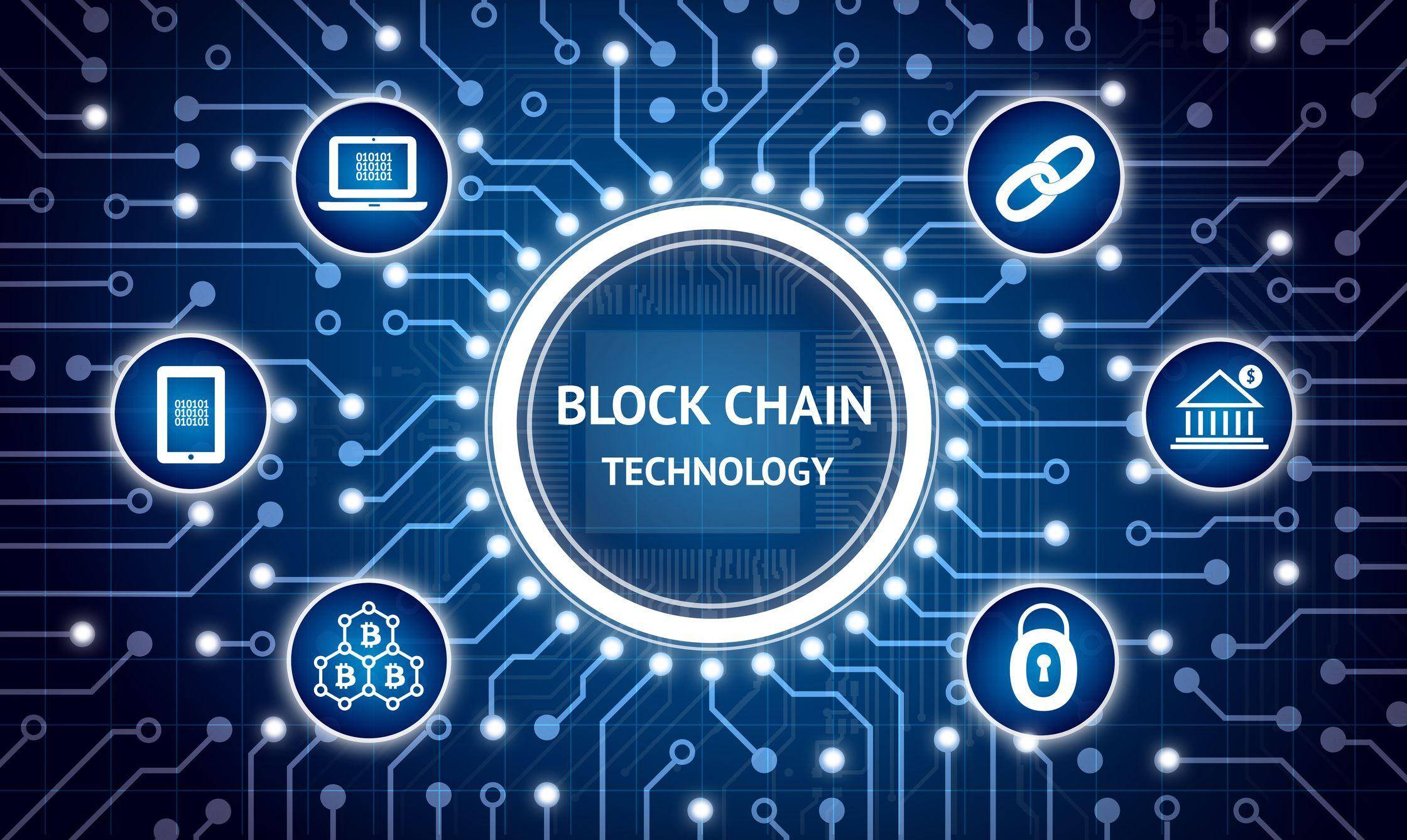
In today's world, there's increasing talk about blockchain technology. For many, it's still a mysterious term, raising questions and numerous assumptions. In this article, we'll try to explain in simple terms what blockchain is, how it works, and why it's generating so much interest in a variety of fields. For clarity, we'll also introduce one popular platform: SushiSwap (sometimes spelled with a space as sushi swap or referred to as sushiswap exchange ).
What is blockchain?
A blockchain is a kind of database, but it's structured in a unique way. Imagine a long chain of blocks, each containing specific information. These blocks are linked to one another in a strict order—each subsequent block "knows" about the previous one. Hence the name: block, chain .
The main feature of blockchain is decentralization. Unlike a traditional database, which is stored on a single server or in a single data center, a blockchain is present on multiple computers around the world. This means that all information cannot be changed or deleted without the consent of the majority of network participants.
How does blockchain work? Basic principles
- Blockchain: Each block contains data and a link to the previous block in the form of a special code. If you try to change the data in one block, it will affect all subsequent blocks.
- Decentralization: Instead of a single central repository, information is stored on many computers—network nodes. They all verify each other, eliminating the possibility of tampering.
- Transparency: All blockchain records are visible to network participants. This helps maintain trust and confidence that the information has not been altered.
- Security: Protection is achieved through complex mathematical algorithms and cryptography, making unauthorized access virtually impossible.
A blockchain use case: the SushiSwap platform
To understand how blockchain is applied in practice, let's consider the example of the SushiSwap platform, sometimes called and written as sushi swap or sushiswap exchange . This modern protocol, built on blockchain, is a decentralized platform that operates without a single central authority.
The main advantage of such platforms is that they operate directly between users. All transaction information is stored on the blockchain, making processes open and reliable. This ensures that using SushiSwap ensures transparency and data security.
Blockchain allows such a platform to operate 24/7 without interruption, as it is not dependent on any single server or organization. Every user can participate in the platform's operations, and its activities are supported by the combined efforts of multiple network participants.

Where else is blockchain used?
Beyond platforms like SushiSwap, blockchain is being actively implemented in other areas:
- Data storage systems: distributed storage increases the reliability of information and makes it accessible at any time.
- Document management: recording digital signatures and documents in the blockchain ensures their immutability and verifiability.
- Identity management: Blockchain reduces the risk of fraud and simplifies identity verification.
- Supply chains: tracking the origin of goods and their movement becomes more transparent.
Why is blockchain important?
Blockchain is a technology that is changing the way we store and transmit information. Thanks to its transparency, security, and decentralization, it creates the foundation for new models of interaction between people and organizations. Platforms like SushiSwap, in particular, demonstrate how modern services can be built on blockchain, ensuring data reliability and independence from centralized structures.
Conclusion
In summary, blockchain is an innovative technology that allows data to be stored in a chain of interconnected blocks distributed globally. Its key advantages are security, transparency, and decentralization. Platforms like SushiSwap demonstrate the practical application of blockchain in everyday life, opening up new possibilities for interaction in the digital space.
Understanding what blockchain is and how it works helps us understand why this technology is attracting so much attention today and how it could transform various industries in the future.